
Common Troubleshooting Solutions
Heating & Cooling Tips
Heating or Cooling Not Running Efficiently
Clean or replace your heat pump or AC’s air filters every 1-3 months.
Outdoor Unit Not Working
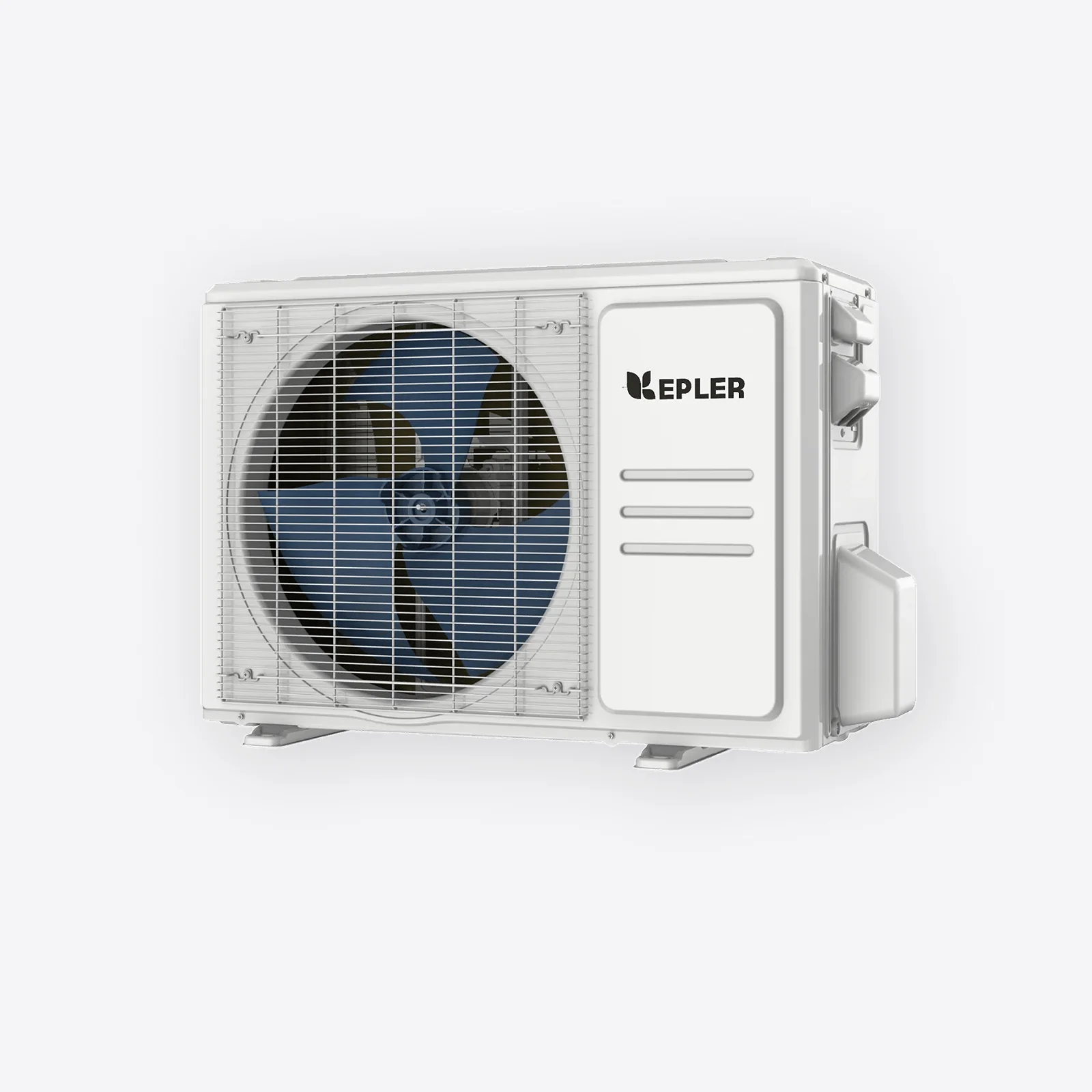
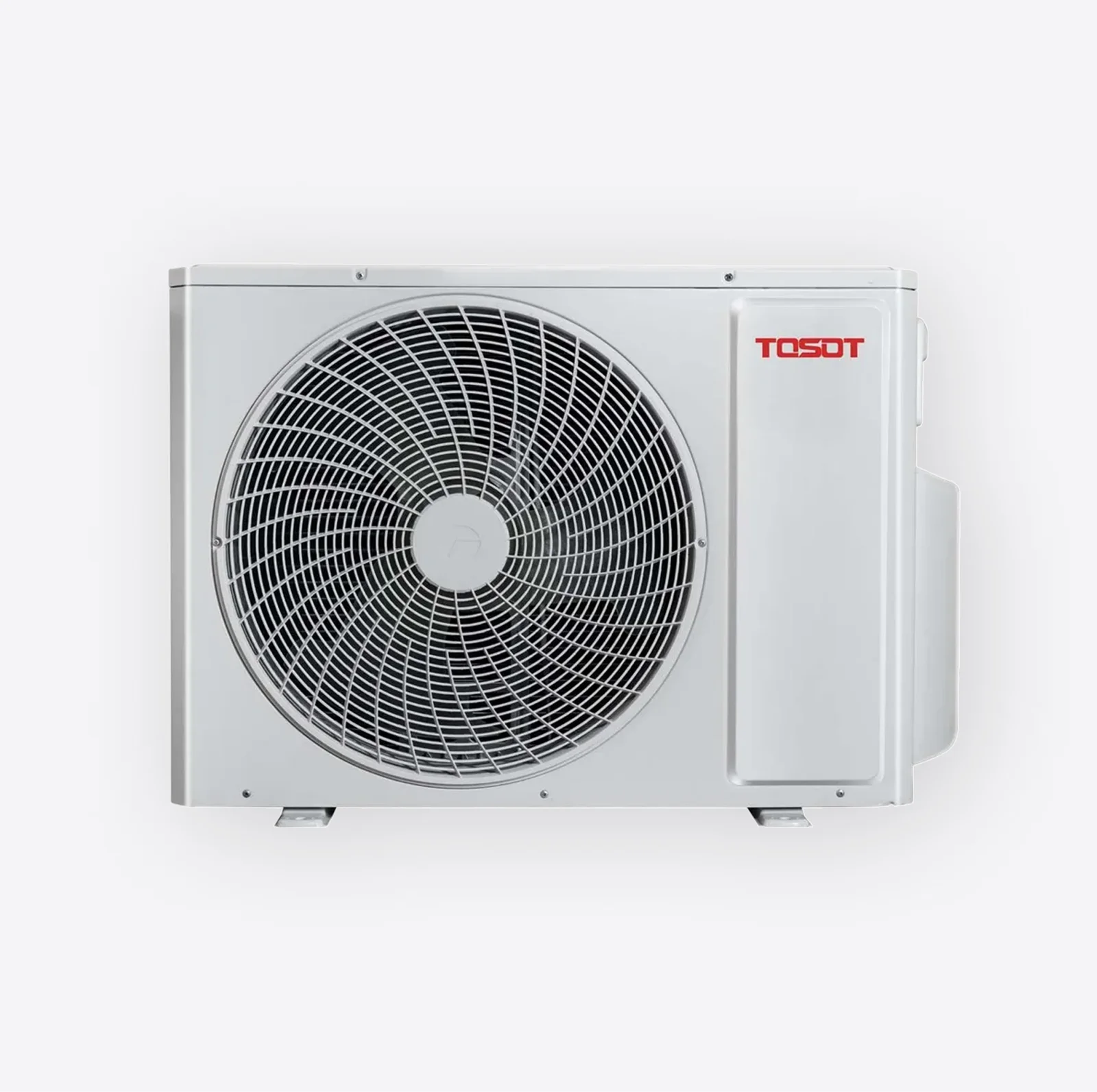
Make sure there isn’t any debris blocking your unit’s air flow.
Heat Pump Won’t Stop Running
Check your thermostat to make sure the temperature setting isn’t too high ot too low.
Heating or Cooling Not Turning On
Check your electricity supply and confirm that all power switches connected to your HVAC system are turned on.
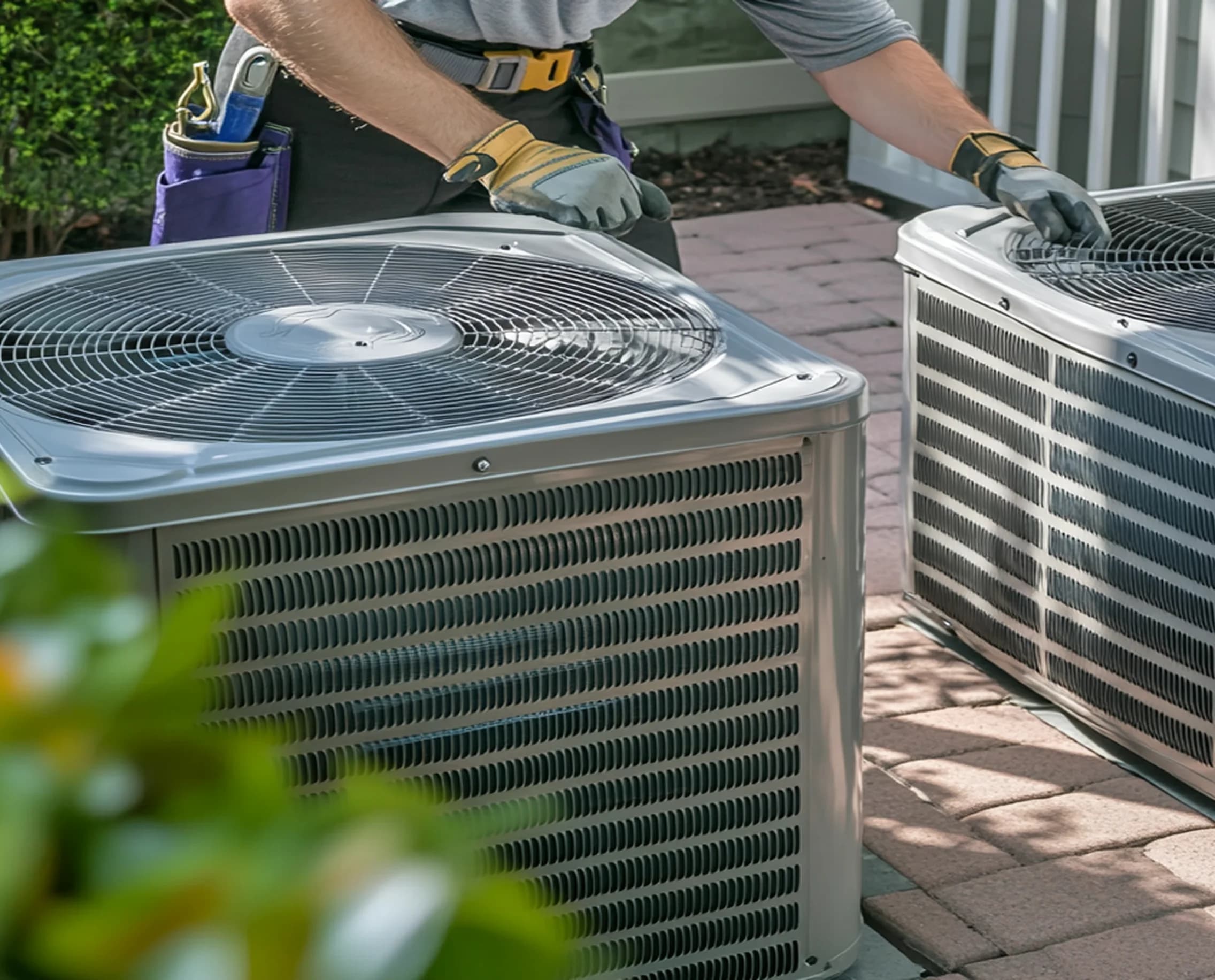
* These suggestions are simple common fixed that may help resolve your issue. If the problem persists, please call us immediately for assistance.
Yes. Cold-climate heat pumps are designed specifically for Canadian weather, with some models able to operate at outdoor temperatures as low as -30°C. Depending on the system, home, and local climate, supplemental heating may still be used during extreme cold.
A heat pump can provide both heating and air conditioning and may replace an aging AC system. For Canadian winters, many homeowners choose a heat pump with a furnace backup for added reliability and dependable heating during extreme cold.
A ducted heat pump distributes heated and cooled air through your home's existing ductwork. A ductless mini-split uses indoor wall-mounted units and is often a good option for homes without ducts, additions or areas that need individual temperature control.
HVAC installation costs vary depending on the equipment type, system size, efficiency rating, home layout, existing ductwork and installation requirements. A professional home assessment is the best way to determine the right HVAC system and get an accurate quote.
Consider HVAC replacement if your furnace, air conditioner or heat pump requires frequent repairs, produces uneven temperatures, has rising energy use or no longer heats or cools your home effectively. Older equipment may also be worth replacing with a more efficient system.
Check or clean HVAC filters regularly and follow the manufacturer's maintenance schedule for your equipment. Professional HVAC maintenance can also help identify problems early, maintain system performance, and extend equipment life.
HVAC rebates vary by province. Eligible Ontario homeowners may receive up to $7,500 in rebates for qualifying cold-climate heat pumps. Nova Scotia’s heat pump rebate program has ended, but homeowners can take advantage of Polaron’s 0% financing to reduce the upfront cost of a new heat pump or HVAC system.


.70e3bcd1.svg)
.8cbc05bd.svg)
.29c01fed.svg)
.6c51ffe3.svg)