How Home Air Quality Stops Allergic Reactions


May 13, 2026

4 Mins
Spring in Canada is a season of renewal, but for many homeowners, it’s also the start of the "sneezing season." As pollen counts skyrocket, your home should be a sanctuary, not a source of irritation. The secret to finding relief isn't just in a pill bottle; it’s in your indoor air quality (IAQ). By optimizing your home’s HVAC system and air filtration, you can effectively trap allergens before they reach your lungs.
1. Upgrade Your Air Filtration
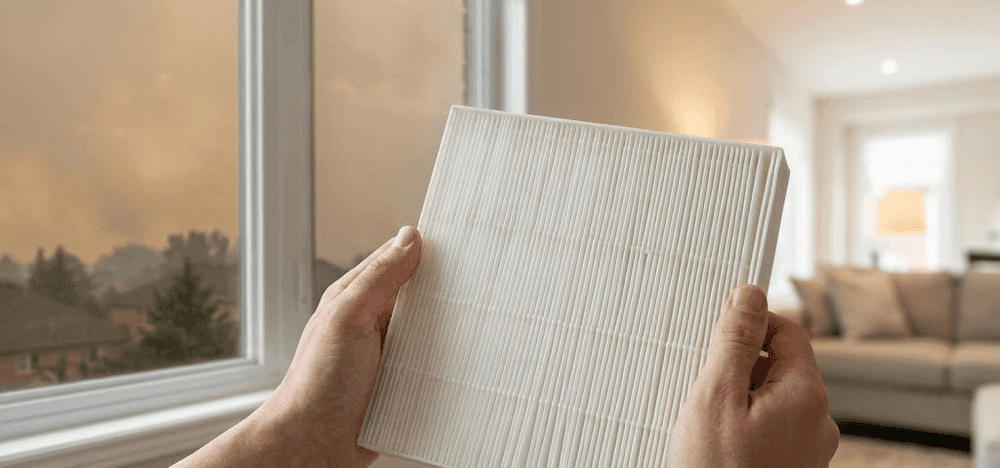
Your air conditioner and furnace work by circulating air, but if your filter is clogged or low-grade, it’s just moving pollen from room to room. To combat spring allergies, look for a filter with a higher MERV rating.
MERV stands for Minimum, Efficiency, Reporting and Value.
A MERV 11 or 13 filter is designed to capture microscopic particles like pollen, mold spores, and even bacteria. If you want the gold standard, consider a HEPA filter integration. All HEPA filters have a rating of a MERV 17 or higher, which removes 99.97% of airborne particles. Ensuring your air filtration is up to date is the first step in creating an allergy-free zone.
2. Control Ventilation with an HRV
When it’s beautiful outside, the temptation is to crack open the windows. However, this is an open invitation for tree and grass pollen to settle on your furniture and carpets.
Instead, rely on a Heat Recovery Ventilator (HRV). This system brings in fresh outdoor air but passes it through a filter first, exhausted "stale" air while keeping the allergens out. It’s a sophisticated home solution that keeps your air fresh without the watery eyes.
3. Manage Indoor Humidity
Spring isn’t just about pollen; it’s also about moisture. High humidity can lead to mold growth in basements and bathrooms, which is a major allergy trigger. Maintaining a balanced humidity level (between 30-50%) ensures that dust mites don't thrive and mold stays away. If your indoor comfort feels heavy or damp, a whole-home dehumidifier paired with your HVAC system can make a world of difference.
4. The Role of Whole-Home Air Purifiers
While portable units are popular, a whole-home air purifier installed directly into your ductwork provides a comprehensive heating and cooling solution. These systems use UV light or electronic charging to "zap" allergens and neutralize odors, ensuring every breath you take in every room is clean.

Most Asked Questions About Spring Allergies at Home
1. Why are my allergies worse when I’m inside my house?
This is often due to "indoor pollution." Pollen hitches a ride on your clothes and pets, then gets trapped inside. Without proper system efficiency and filtration, these particles circulate indefinitely through your vents.
2. Can a dirty AC unit cause allergies?
Yes. If your air conditioner has moisture buildup or a dirty coil, it can grow mold or blow accumulated dust into your living spaces. An annual spring tune-up is essential for allergy prevention.
3. How often should I change my HVAC filter during pollen season?
During high-pollen months, you should check your filter every 30 days. If it looks grey or fuzzy, change it immediately to maintain high air quality and prevent strain on your system.
4. Does a humidifier help with allergies?
It can help soothe dry nasal passages, but be careful, too much humidity can encourage dust mites and mold. Balance is key to home comfort.
Related Articles from Polaron Comfort
- The 2026 Complete Guide to Home Comfort Systems in Modern Homes
- Water Treatment Solution Guide 2026: Reverse Osmosis & Water Softener for Better Home Comfort
Tired of sneezing in your own living room? Contact the experts at Polaron Comfort today for an Indoor Air Quality assessment and take control of your home environment this spring!


.70e3bcd1.svg)
.8cbc05bd.svg)
.29c01fed.svg)
.6c51ffe3.svg)